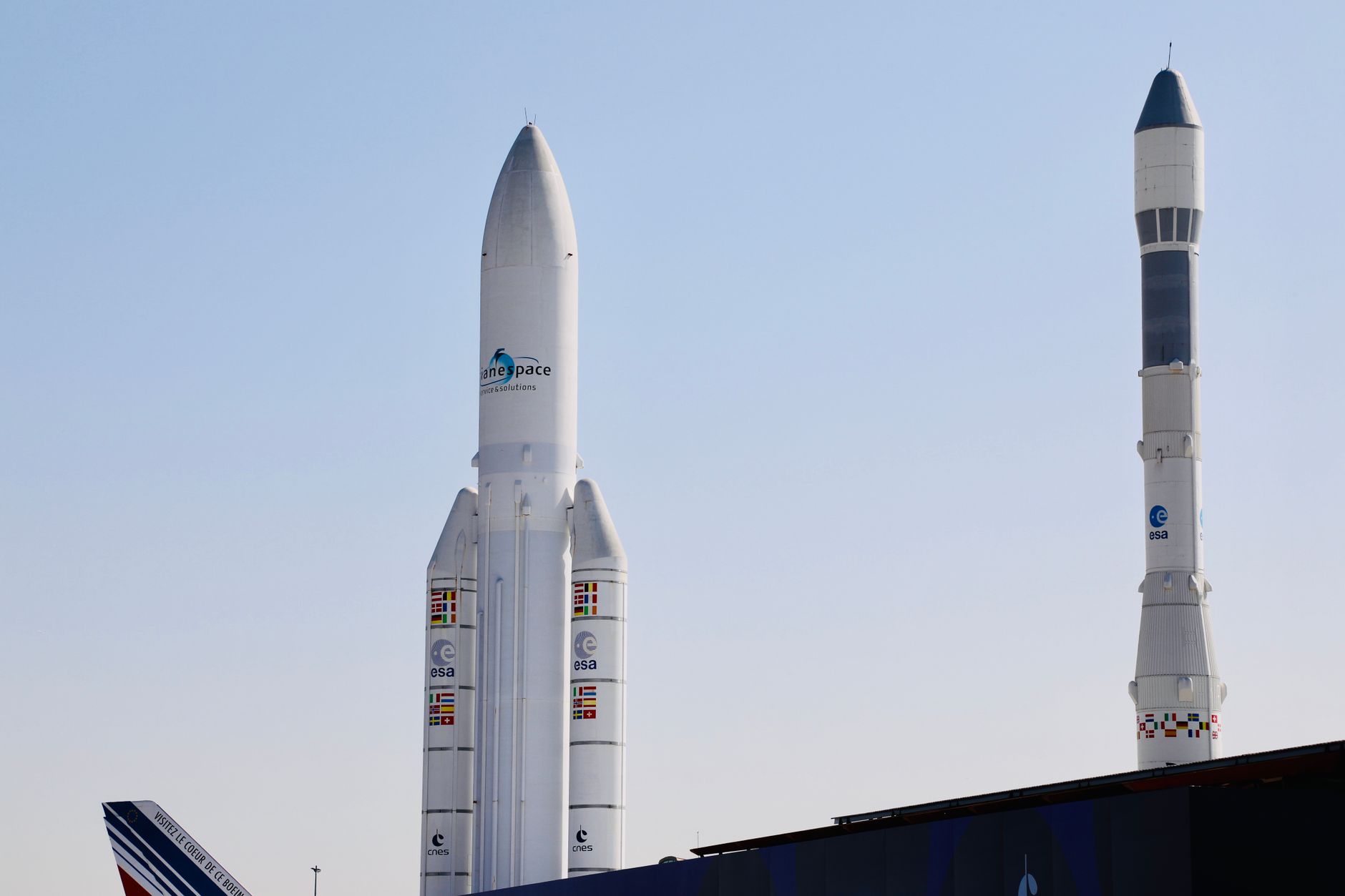
The Vega C rocket launch successfully placed two European Earth-observing satellites into orbit. This achievement marks a significant milestone in satellite technology and Earth monitoring.
Overview of the Vega C Rocket
The Vega C rocket has emerged as a significant advancement in the realm of space exploration, particularly for Earth observation initiatives. This versatile launch vehicle is designed to deliver payloads into low Earth orbit with enhanced efficiency and reliability. The recent Vega C rocket launch successfully deployed two European Earth-observing satellites, marking a pivotal moment in its operational capabilities.
Developed by Arianespace, the Vega C is an upgraded version of its predecessor, the Vega rocket. It incorporates several technological improvements aimed at increasing payload capacity and reducing launch costs. The rocket’s design allows it to carry a variety of satellites, making it suitable for both commercial and scientific missions.
Among its notable features are:
- Increased Payload Capacity: The Vega C can carry larger payloads compared to the original Vega, accommodating more complex satellite systems.
- Enhanced Flexibility: This rocket is capable of launching from various locations, providing more options for mission planning.
- Improved Performance: The updated propulsion system ensures a more powerful and efficient launch process.
The recent mission highlights the Vega C rocket’s potential, showcasing its reliability in delivering critical Earth observation technology into orbit. As nations increasingly rely on satellite data for climate monitoring and environmental protection, the capabilities of the Vega C rocket will play a crucial role in these efforts.
Significance of Earth-Observing Satellites
The significance of Earth-observing satellites cannot be overstated, as they play a crucial role in monitoring our planet’s health and changes. The successful launch of the Vega C rocket marks a milestone in this field, delivering two advanced satellites into orbit that will enhance our understanding of Earth’s environment.
These satellites are equipped with cutting-edge technology designed to gather vital data on various environmental parameters. Key applications include:
- Climate Monitoring: Satellites assist in tracking climate change and its impacts on weather patterns, helping scientists predict future trends.
- Agricultural Management: By providing detailed insights into soil moisture and crop health, these satellites empower farmers to make informed decisions.
- Disaster Response: Earth-observing satellites enable rapid assessment of natural disasters, facilitating timely responses and recovery efforts.
- Urban Planning: Data from these satellites aids in managing urban growth and infrastructure development, ensuring sustainable cities.
The Vega C rocket launch not only demonstrates the capabilities of the European Space Agency but also underscores the importance of investment in space technology. As Earth faces numerous challenges, the role of Earth-observing satellites is more critical than ever in providing the data necessary for informed decision-making and effective management of our planet’s resources.
Launch Details and Timeline
The successful Vega C rocket launch took place on October 5, 2023, from the Guiana Space Centre in French Guiana, marking a significant milestone for the European Space Agency (ESA) and its partners. The mission aimed to deploy two advanced Earth-observing satellites into a sun-synchronous orbit, enhancing global monitoring capabilities.
The timeline of the launch was meticulously planned to ensure precision and efficiency:
- Preparation Phase: Engineers conducted extensive checks and simulations leading up to the launch, ensuring that all systems were functioning optimally.
- Liftoff: The Vega C rocket lifted off at 10:00 UTC, with a bright plume of fire lighting up the morning sky, signaling the beginning of a new chapter in Earth observation.
- Initial Ascent: Following liftoff, the rocket passed through several critical phases, including stage separations and payload fairing jettison, all executed flawlessly.
- Deployment: Approximately 90 minutes after launch, the two satellites were successfully deployed into their targeted orbits, ready to commence their missions.
This Vega C rocket launch not only showcased the capabilities of the Vega C system but also reinforced Europe’s commitment to advancing Earth observation technologies, which are crucial for understanding climate change and managing natural resources.
Impact on Environmental Monitoring
The successful launch of the Vega C rocket marks a significant milestone in enhancing environmental monitoring capabilities. By deploying two advanced Earth-observing satellites into orbit, this mission underscores the vital role that space technology plays in understanding and addressing environmental challenges.
These satellites are equipped with state-of-the-art sensors designed to collect data on various aspects of the Earth’s surface and atmosphere. Their capabilities include:
- Monitoring deforestation: By tracking changes in forest cover, scientists can assess the impact of climate change and human activity.
- Assessing air quality: These satellites will provide real-time data on pollution levels, helping to inform public health initiatives.
- Tracking land use changes: Observations will enable researchers to analyze agricultural practices and urban expansion.
- Studying climate patterns: Long-term data collection will aid in understanding global climate shifts and their effects on ecosystems.
The Vega C rocket launch not only enhances our capacity for environmental monitoring but also fosters international collaboration in tackling global issues. As countries increasingly rely on accurate data to guide policy decisions, the importance of Earth-observing satellites cannot be overstated. With the Vega C rocket’s proven success, the future of environmental monitoring looks promising, paving the way for informed actions to protect our planet.
Future of Satellite Launches
The successful launch of the Vega C rocket marks a significant milestone in the evolving landscape of satellite launches. As the demand for Earth-observing satellites continues to grow, this launch demonstrates that advanced rocket technology can meet the increasing needs of various sectors, including climate monitoring, agriculture, and disaster management.
Several key factors will shape the future of satellite launches:
- Technological Advancements: Innovations in rocket design and satellite capabilities will lead to more efficient and cost-effective launches. The Vega C rocket exemplifies this trend, featuring enhanced payload capacity and reliability.
- Increased Commercial Interest: With private companies entering the satellite launch market, competition is expected to drive down costs and increase launch frequency. This shift will enable more countries and organizations to access space.
- Focus on Sustainability: The need for sustainable practices in space exploration is critical. Future launches, including those of the Vega C rocket, must prioritize environmentally friendly technologies and practices to minimize the ecological footprint.
- International Collaboration: The success of the Vega C rocket launch highlights the importance of global partnerships in space initiatives. Collaborative efforts will enhance shared knowledge and resources, benefiting all participants.
As the Vega C rocket launch demonstrates, the future of satellite launches is bright, paving the way for advancements in Earth observation and beyond.
The Vega C rocket launch demonstrated its reliability and efficiency in delivering payloads to orbit. Following the Vega C rocket launch, experts are optimistic about the future of Earth observation missions.
Photo by Léa Claisse on Pexels