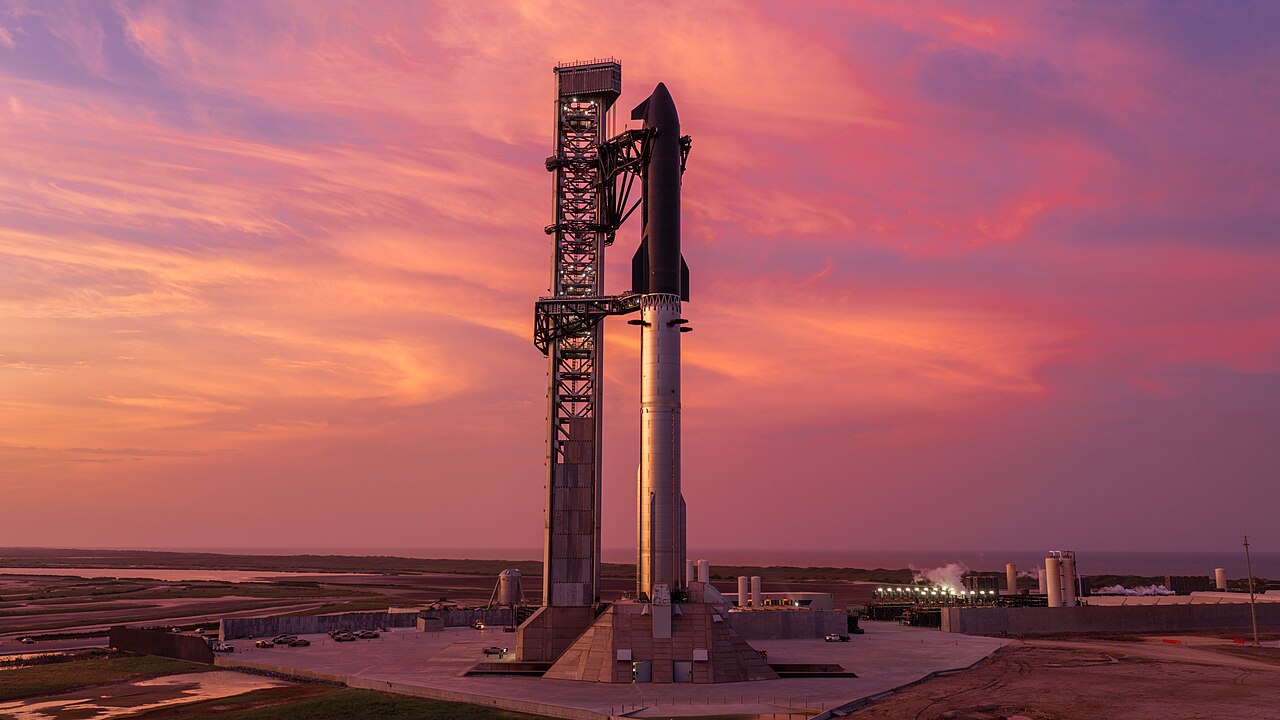
SpaceX coordination in orbit is becoming increasingly important as near-misses with Starlink satellites raise concerns. The company is advocating for improved measures to ensure safety in the crowded space environment.
Recent Near-Misses with Starlink
Recent incidents involving SpaceX’s Starlink satellites have raised concerns about the safety and coordination of operations in orbit. As the number of satellites in low Earth orbit continues to increase, the potential for collisions becomes more significant. SpaceX has reported multiple near-misses with other satellites, prompting the company to advocate for improved coordination in orbit.
One notable incident involved a Starlink satellite that came dangerously close to colliding with a European Space Agency satellite. This incident highlighted the need for better tracking and communication among satellite operators to avoid such dangerous encounters in the future.
SpaceX has called for the establishment of a more robust framework for satellite coordination, emphasizing that the growing congestion in space necessitates a collaborative approach. The company has proposed several measures, including:
- Enhanced tracking systems to monitor satellite positions more accurately.
- Shared data protocols among satellite operators to ensure timely information exchange.
- Regular coordination meetings to discuss orbital maneuvers and potential conflict zones.
As the conversation around SpaceX coordination in orbit evolves, it remains crucial for all operators to prioritize safety and sustainability in outer space.
Importance of Orbital Coordination
The importance of orbital coordination has become increasingly evident following recent incidents involving SpaceX’s Starlink satellites. As more satellites are launched into orbit, the potential for collisions rises significantly. Effective coordination in orbit not only enhances the safety of individual satellites but also contributes to the long-term sustainability of space operations.
SpaceX’s call for better coordination highlights several key factors:
- Collision Avoidance: Improved communication among satellite operators can help prevent near-miss situations, ensuring that maneuvers are executed timely and efficiently.
- Space Traffic Management: With thousands of satellites projected to be in orbit, a systematic approach to traffic management is essential to avoid congestion and potential disasters.
- International Collaboration: Coordinated efforts among countries and private companies are crucial to developing a framework that prioritizes safety and responsible usage of orbital space.
The debate surrounding SpaceX coordination in orbit raises questions about the effectiveness of current practices and the need for innovative solutions to address the growing challenges in space.
SpaceX’s Proposed Solutions
In response to increasing concerns over near-misses involving its Starlink satellites, SpaceX has proposed several solutions aimed at enhancing coordination in orbit. These solutions are designed to mitigate potential collisions and ensure the safe operation of satellites in shared space.
- Improved Tracking Systems: SpaceX is advocating for the development of advanced tracking systems that can provide real-time data on satellite positions. This would allow operators to make informed decisions about potential maneuvers.
- Collaborative Platforms: The company suggests creating a collaborative platform where satellite operators can share their operational data. This would facilitate better communication and coordination among various entities in orbit.
- Regulatory Frameworks: SpaceX emphasizes the need for updated regulatory frameworks that govern satellite launches and operations. This would help establish clear guidelines for avoiding collisions and ensuring accountability.
- Public Awareness Campaigns: To promote safety in space, SpaceX plans to initiate public awareness campaigns aimed at educating stakeholders about the importance of responsible satellite management.
These proposed solutions reflect SpaceX’s commitment to addressing the challenges posed by increased satellite traffic and fostering a safer orbital environment.
Impact on Satellite Safety
The impact of SpaceX coordination in orbit on satellite safety is a growing concern among industry experts and regulators. As the number of satellites in low Earth orbit continues to rise, the risk of collisions increases significantly. Recent incidents involving Starlink satellites have highlighted the need for improved communication and coordination among satellite operators.
Key factors influencing satellite safety include:
- Increased Traffic: The launch of thousands of Starlink satellites has created a crowded environment, complicating the navigation of both new and existing satellites.
- Collision Risk: Near-misses can lead to catastrophic failures, not only for the satellites involved but also for others in proximity. The potential for debris generation poses a significant threat to the sustainability of space activities.
- Regulatory Framework: The current regulations may not adequately address the rapid growth of satellite constellations, necessitating a reevaluation of orbital coordination practices.
- Technological Solutions: Implementing advanced tracking and collision avoidance technology can mitigate risks if all operators, including SpaceX, engage in effective coordination.
Ultimately, the call for better coordination in orbit by SpaceX reflects an urgent need to prioritize satellite safety in an increasingly congested space environment.
Global Response to Space Traffic
As space traffic continues to increase, the global response to the challenges of coordination in orbit has become a pressing issue. With the rise of numerous satellite operators, including SpaceX, the need for effective management of orbital paths is more critical than ever. Various nations and organizations are beginning to recognize the potential dangers posed by increased congestion in space.
The United Nations Office for Outer Space Affairs (UNOOSA) has been advocating for enhanced international cooperation and regulatory frameworks to ensure safe operations in orbit. Countries such as the United States and European Union are exploring ways to improve tracking systems and develop standardized protocols for satellite maneuvering.
Additionally, space agencies like NASA and the European Space Agency are working collaboratively with private companies, including SpaceX, to create a more cohesive approach to space traffic management. The establishment of a global database for satellite positions and trajectories is among the proposed initiatives, aiming to mitigate collision risks.
With SpaceX’s coordination in orbit efforts, there is hope that a unified strategy can be developed, benefiting all stakeholders involved in maintaining a sustainable space environment.
Future of Space Operations
As the landscape of space operations continues to evolve, the future of coordination in orbit remains a crucial topic. With increasing satellite launches, particularly from private companies like SpaceX, the need for effective and efficient space traffic management becomes more pressing. SpaceX’s call for enhanced coordination reflects a growing recognition of the complexities involved in maintaining satellite safety.
Experts argue that without improved systems for tracking and managing the increasing number of objects in orbit, the risk of collisions will continue to rise. The potential for accidents poses not only a threat to individual satellites but also to the burgeoning space economy.
Moreover, the implementation of international guidelines and collaborative frameworks is essential. SpaceX coordination in orbit should involve all stakeholders, including governmental space agencies and private enterprises, to ensure a unified approach. As countries and companies strive to expand their presence in space, fostering an environment of cooperation and open communication will be vital.
Looking ahead, the success of future space operations will depend on the ability to adapt and innovate in the face of these challenges, ensuring that space remains a safe and sustainable domain for exploration and development.
Many experts believe that SpaceX coordination in orbit is essential for ensuring the safety of satellites and crewed missions. However, others argue that the current approach to SpaceX coordination in orbit may not be sustainable in the long term.
via Wikimedia Commons