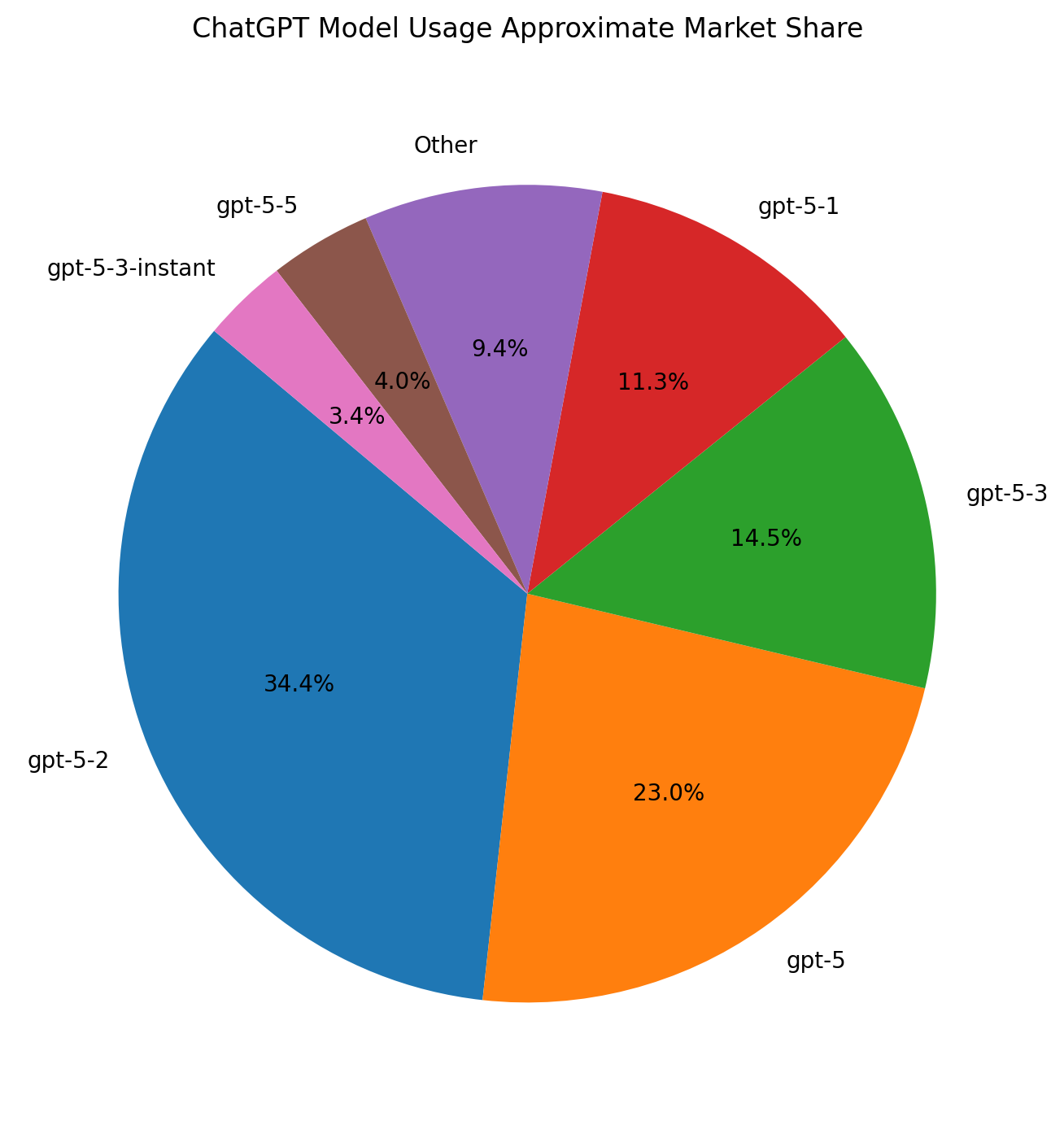
OpenAI models are gaining traction in the AI landscape, especially with their recent integration into Google Cloud. This development opens up new possibilities for businesses and developers alike.
What are OpenAI models?
OpenAI models represent a significant advancement in artificial intelligence, showcasing the potential for machines to understand and generate human-like text. These models are designed to process and produce language, enabling a wide range of applications from chatbots to content generation.
At the core of OpenAI’s offerings are several key models, each tailored to specific tasks and capabilities. Some of the most notable include:
- GPT-3: Known for its ability to generate coherent and contextually relevant text, GPT-3 has been widely adopted for various applications in writing, programming assistance, and more.
- DALL-E: This model specializes in creating images from textual descriptions, showcasing the intersection of language and visual creativity.
- Codex: Designed to assist in programming, Codex can translate natural language commands into code, streamlining the development process for software engineers.
OpenAI models are not only powerful tools for developers but also for businesses looking to enhance their services through AI. As these models continue to evolve, their integration into platforms like Google Cloud signifies a growing recognition of their value across industries.
Recent developments in AI
Recent developments in the field of artificial intelligence have showcased the expanding capabilities and applications of OpenAI models. These advancements highlight their growing significance in various industries and sectors.
One notable progress is the integration of OpenAI models into Google Cloud services, which allows businesses to leverage cutting-edge AI technology for their operations. This collaboration aims to enhance productivity and streamline processes across multiple platforms.
In addition to cloud integration, the expansion of ChatGPT advertisements into 26 countries demonstrates OpenAI’s commitment to making their models more accessible. This move is expected to increase user engagement and broaden the reach of AI applications globally.
Furthermore, AI has proven its worth beyond just conversational models. Recent discoveries, such as the identification of a critical PHP vulnerability, underline the practical utility of AI in security and risk management. By utilizing OpenAI models, developers can create more robust systems that proactively address potential threats.
Lastly, creative competitions, like the Fujifilm VR Photo Competition, highlight the artistic potential of AI technologies. As OpenAI models continue to evolve, they inspire new forms of creativity and innovation, proving their versatility across different domains.
How OpenAI models impact businesses
The integration of OpenAI models into business operations is transforming the landscape of various industries. Organizations are increasingly leveraging these advanced AI tools to enhance productivity, streamline processes, and improve customer engagement.
One of the most significant impacts is observed in customer service. By deploying chatbots powered by OpenAI models, businesses can provide instant support to their clients, reducing wait times and increasing satisfaction. These AI-driven solutions can handle a wide range of inquiries, allowing human agents to focus on more complex issues.
Moreover, OpenAI models facilitate data analysis, enabling companies to derive actionable insights from vast amounts of data. This capability supports informed decision-making and helps businesses stay competitive in a rapidly changing market.
Additionally, the creative industries are benefiting from the generative capabilities of OpenAI models. From content creation to design, these tools assist professionals in brainstorming and generating innovative ideas at an unprecedented pace.
In summary, the adoption of OpenAI models is not merely a trend; it is a strategic move towards greater efficiency and innovation across various sectors. As these models continue to evolve, their influence on business practices is likely to grow even further.
Exploring Google Cloud integration
The integration of OpenAI models into Google Cloud has opened new avenues for businesses and developers seeking to leverage advanced AI capabilities. This collaboration allows users to easily incorporate powerful AI tools into their applications and workflows, enhancing productivity and innovation.
With the availability of OpenAI models on Google Cloud, users can access a range of functionalities, including natural language processing, image recognition, and more. This integration streamlines the development process, enabling teams to focus on building unique solutions without the complexities of managing underlying AI infrastructure.
Some key benefits of using OpenAI models within Google Cloud include:
- Scalability: Google Cloud’s robust infrastructure allows businesses to scale their AI applications efficiently.
- Accessibility: Developers can easily access powerful AI tools through familiar interfaces and APIs.
- Collaboration: Teams can work together seamlessly in a cloud environment, allowing for faster iteration and deployment of AI solutions.
As more organizations adopt these technologies, the potential for innovation in various industries continues to grow. The integration of OpenAI models into Google Cloud represents a significant step forward in making advanced AI accessible and practical for all.
ChatGPT expansion across countries
The recent expansion of ChatGPT across multiple countries marks a significant milestone for OpenAI models in the global AI landscape. With the introduction of ChatGPT in 26 new countries, users can now access advanced conversational capabilities that were previously limited to a select few regions. This broader availability not only enhances user experience but also illustrates OpenAI’s commitment to democratizing access to cutting-edge AI tools.
As ChatGPT continues to evolve, the expansion aims to cater to diverse linguistic and cultural contexts, ensuring that more people can benefit from its functionalities. The model’s ability to generate human-like text and engage in meaningful dialogue makes it an invaluable resource for individuals and businesses alike.
Furthermore, this expansion aligns with OpenAI’s broader strategy to integrate its models into various platforms, including collaborations such as the one with Google Cloud. By leveraging cloud infrastructure, OpenAI models can offer more robust performance and scalability, which is essential for businesses looking to harness AI capabilities.
As more users gain access to ChatGPT, the implications for innovation and productivity across different sectors will likely become increasingly apparent, solidifying OpenAI’s role as a leader in artificial intelligence technology.
Understanding PHP vulnerabilities
As the landscape of technology evolves, so does the importance of securing applications against vulnerabilities, particularly those related to PHP. PHP, a widely-used server-side scripting language, often faces critical security issues that can compromise data integrity and user privacy. Understanding these vulnerabilities is essential for developers and businesses leveraging OpenAI models in their applications.
Recent reports have highlighted a significant vulnerability in PHP that could be exploited by malicious actors. This flaw allows attackers to execute arbitrary code, potentially leading to unauthorized access and data breaches. Therefore, it is crucial for developers using OpenAI models to stay informed about PHP security updates and best practices.
To safeguard against these vulnerabilities, organizations should consider implementing the following measures:
- Regular Updates: Ensure that PHP and its dependencies are updated to the latest versions to mitigate known vulnerabilities.
- Input Validation: Sanitize user inputs to prevent injection attacks.
- Security Audits: Conduct regular code reviews and security audits to identify and fix potential weaknesses.
- Firewall Protection: Utilize firewalls to monitor and control incoming and outgoing traffic.
By addressing these vulnerabilities, developers can enhance the security of their applications while effectively utilizing OpenAI models to drive innovation.
Fujifilm’s VR photo competition details
Fujifilm has announced an exciting competition centered around virtual reality photography, inviting photography enthusiasts and tech aficionados to showcase their skills. This competition encourages participants to explore the intersection of technology and creativity, potentially utilizing OpenAI models to enhance their projects.
Participants can submit their VR photos, capturing unique perspectives and imaginative scenes that reflect the theme of the competition. The competition aims to highlight the innovative potential of VR technology in the art of photography.
Key details of the competition include:
- Eligibility: Open to photographers of all skill levels, from amateurs to professionals.
- Submission Deadline: All entries must be submitted by midnight on March 31, 2024.
- Judging Criteria: Photos will be evaluated based on creativity, technical skill, and adherence to the theme.
- Prizes: Winners will receive Fujifilm products, as well as opportunities for publication in leading photography magazines.
This initiative not only promotes artistic expression but also highlights the growing role of AI technologies in enhancing creative endeavors, including the use of OpenAI models for photo editing and enhancement.
By ChippyTimeCom via Openverse
Where this came from
You might also like
Demon Slayer Infinity Castle 2 Release: Best Proven Date · Next Xbox Price: The Worst $1,800 Gaming Cost · AI payment infrastructure: Best Proven Funding Strategies