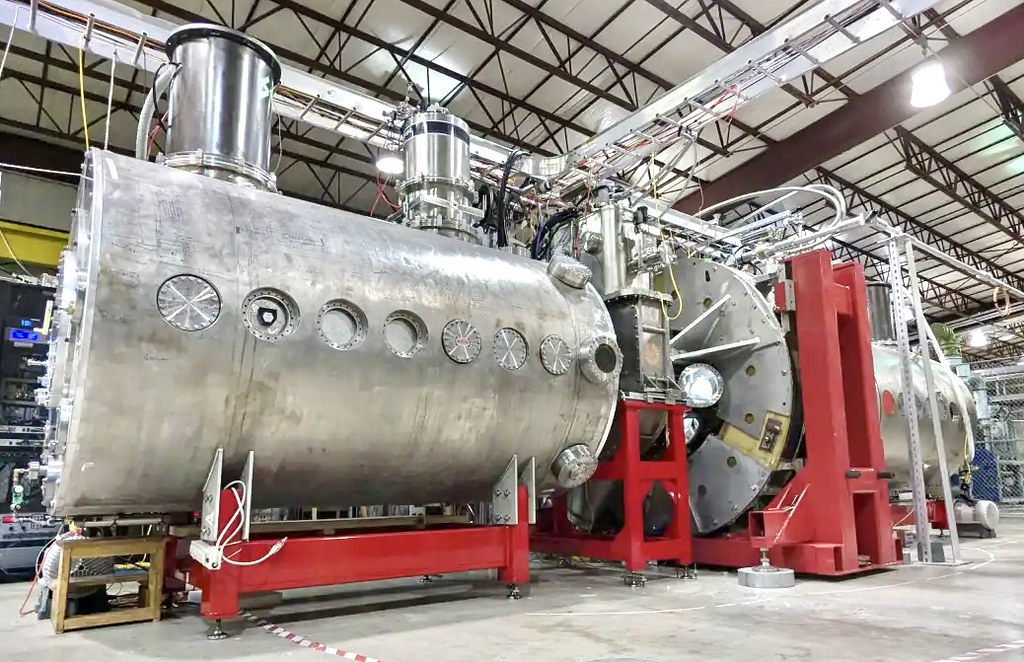
Nuclear startup funding is up, but the sector’s public markets take a bearish turn. This shift raises concerns for investors looking for stability in the energy sector.
Current Trends in Nuclear Startup Funding
Current trends in nuclear startup funding reveal a complex landscape for investors. Despite an increase in funding for nuclear startups, the sector is experiencing a bearish turn in public markets. This contradiction highlights the challenges and opportunities within the nuclear energy space.
According to recent reports, investments in nuclear technology have surged, driven by a global push for cleaner energy sources and innovative reactor designs. However, the stock performance of traditional nuclear companies has not kept pace with private funding, leading to a disconnect that has left many investors cautious.
Key factors influencing this trend include:
- Regulatory hurdles: Navigating the complex landscape of nuclear regulations can deter potential investors.
- Market volatility: The broader energy market’s fluctuations can impact investor confidence in nuclear ventures.
- Public perception: Concerns about safety and waste management continue to shape opinions on nuclear energy.
As nuclear startup funding continues to rise, it remains to be seen how these factors will influence the long-term viability of investments in the sector.
Impact of Public Markets on Startups
The recent downturn in public markets has significantly affected the landscape for nuclear startup funding. As investors become more cautious, the once-vibrant enthusiasm surrounding nuclear innovations is now facing challenges.
Many startups that previously thrived on optimistic projections are now struggling to secure the necessary capital. The impact of this bearish sentiment is evident in several key areas:
- Investor Confidence: Decreased confidence in public markets leads to heightened risk aversion among investors, making them less likely to fund new ventures.
- Valuation Pressures: Startups in the nuclear sector are experiencing downward pressure on valuations, which complicates fundraising efforts.
- Long-Term Commitments: With public markets in flux, potential investors are hesitant to commit to long-term funding, which is crucial for the development of nuclear technologies.
- Strategic Partnerships: Some startups are pivoting towards forming strategic partnerships with established companies to bolster their funding prospects amid uncertain market conditions.
Overall, the interplay between public market performance and nuclear startup funding highlights the challenges of attracting investment in a volatile economic environment.
Investors’ Perspectives on Nuclear Energy
As the landscape of energy innovation continues to evolve, investors are grappling with the implications of the latest bearish turn in public markets, especially concerning nuclear startup funding. Many stakeholders express a mix of concern and cautious optimism regarding the future of nuclear energy.
Some investors highlight the potential of nuclear technology to provide reliable and low-carbon energy solutions. They believe that despite current market fluctuations, the long-term outlook for nuclear startups remains promising. One investor noted, “Nuclear energy can play a pivotal role in achieving climate goals, and innovative startups are crucial for this transition.”
However, others urge caution, citing the volatility in public markets. Another investor remarked, “The bearish sentiment can lead to hesitance in funding. It’s essential for startups to demonstrate not only technological viability but also a clear path to profitability.”
Ultimately, the perspectives from investors reflect a broader uncertainty in the sector, with many weighing the benefits of nuclear innovation against the risks posed by the current financial climate.
- Long-term potential of nuclear energy
- Market volatility impacts funding
- Need for startups to prove profitability
Comparison of Funding Across Energy Sectors
The energy sector has witnessed varying levels of funding across different industries, especially in light of recent market shifts. While nuclear startup funding has seen an uptick, other energy sectors have not fared as well.
In a comparative analysis, the following points illustrate the funding landscape:
- Renewable Energy: Solar and wind technologies continue to attract significant investment, surpassing many traditional energy sources, with a focus on sustainability and innovation.
- Oil and Gas: Despite a recent resurgence, this sector faces challenges related to climate policies and global shifts towards cleaner energy alternatives.
- Battery Technology: The demand for energy storage solutions has led to a surge in funding, reflecting the growing need for efficient energy management systems.
- Nuclear Energy: Although nuclear startup funding is on the rise, investor sentiment is tempered by concerns about regulatory hurdles and public perception.
Overall, the divergence in funding trends highlights the complexities of the energy market, where investor confidence plays a critical role in determining the future of each sector.
Future Outlook for Nuclear Startups
The future outlook for nuclear startups remains uncertain as the landscape of nuclear startup funding faces significant challenges. Despite recent increases in funding, the bearish turn in public markets has raised concerns among investors about the sustainability of these ventures.
Many industry experts believe that the following factors will play a crucial role in shaping the future of nuclear startups:
- Regulatory Environment: The evolving regulations surrounding nuclear energy could either bolster or hinder growth opportunities for startups.
- Technological Innovations: Continued advancements in nuclear technology may attract new investments and improve market confidence.
- Public Perception: The acceptance of nuclear energy by the general public will significantly impact funding decisions and support for emerging companies.
- Investor Sentiment: The current bearish turn in public markets may lead investors to be more cautious, potentially slowing down the flow of nuclear startup funding.
As these factors unfold, nuclear startups must adapt to the changing environment to maintain momentum and secure essential funding. The coming months will be critical in determining whether the sector can rebound from its current challenges.
Challenges Facing Nuclear Investments
The nuclear energy sector is currently grappling with a series of challenges that threaten to undermine investor confidence and hinder progress in nuclear startup funding. One significant issue is the growing regulatory scrutiny that nuclear projects face, which often delays approvals and increases costs. This added burden can deter potential investors, causing them to seek opportunities in more stable energy sectors.
Additionally, technological advancements, while promising, come with inherent risks. Many startups are pushing the boundaries of innovation, yet the uncertainty surrounding new technologies can lead to hesitance among traditional investors. Concerns about reliability and safety further complicate the funding landscape.
Moreover, public perception plays a crucial role. Despite a growing awareness of climate change, negative perceptions associated with nuclear energy persist, which can dissuade investors from committing capital to nuclear startups. These challenges collectively present a daunting environment for startups seeking funding.
In summary, the landscape for nuclear startup funding is characterized by regulatory hurdles, technological risks, and public skepticism, all of which contribute to a challenging investment climate.
Expert Opinions on Market Movements
Experts in the field have shared mixed opinions regarding the recent downturn in public markets and its implications for nuclear startup funding. Some analysts believe that the bearish trend reflects broader economic uncertainties, while others suggest that it signals a fundamental shift in investor sentiment towards nuclear energy.
According to Dr. Emily Chen, a leading energy economist, “The current fluctuations in the market are not wholly indicative of the potential of nuclear startups. Investors may be reacting to short-term volatility rather than the long-term benefits of this technology.”
Conversely, Mark Thompson, a venture capital strategist, emphasizes caution. He states, “While funding for nuclear startups has seen an uptick, the bearish turn in public markets could deter new investments, making it crucial for startups to demonstrate resilience and adaptability.”
Furthermore, industry insiders note the importance of clear communication from nuclear startups regarding their innovations and sustainability goals. This could be essential in restoring investor confidence amidst the current uncertainties.
- Shift in investor sentiment
- Economic uncertainties affecting nuclear funding
- Need for resilience in startups
By jurvetson via Openverse