end of an era at Apple is a phrase that resonates deeply with tech enthusiasts. Tomorrow marks the conclusion of a 28-year journey that has shaped the company’s identity and innovation.
The Significance of Apple’s 28-Year Journey
As Apple approaches the end of an era with the departure of a key figure after 28 remarkable years, it is essential to reflect on the significance of this journey. Over nearly three decades, the company has transformed from a fledgling computer manufacturer into a global leader in technology and innovation.
Apple’s evolution has been marked by several groundbreaking products and services that have reshaped entire industries. From the introduction of the Macintosh in the 1980s to the revolutionary iPhone in 2007, each milestone has solidified Apple’s reputation as a pioneer. The company has not only changed how we communicate and consume media but has also set standards for design and user experience that others strive to emulate.
As we witness the end of an era at Apple, it is vital to consider the legacy left behind. The innovative spirit and relentless pursuit of excellence have been the cornerstones of Apple’s success. The future may hold new challenges and opportunities, but the impact of this journey will resonate for years to come.
In conclusion, tomorrow marks not just a transition for Apple, but a profound moment that encapsulates the essence of its 28-year journey.
What Changed in the Tech Landscape?
The tech landscape has undergone dramatic transformations over the years, and the impending end of an era at Apple symbolizes a pivotal shift. As we reflect on the past, several key changes stand out.
- Rise of Mobile Technology: The introduction of smartphones revolutionized how consumers interact with technology, making mobile devices the primary means of communication and access to information.
- Cloud Computing: The shift towards cloud services has altered how software is delivered and consumed, emphasizing flexibility and accessibility over traditional installations.
- Artificial Intelligence: AI has become a driving force in innovation, enhancing user experiences across devices and creating new possibilities for applications.
- Increased Competition: The tech market has seen an influx of competitors, pushing established players like Apple to adapt and evolve constantly.
These changes have not only affected Apple’s strategy but have also redefined consumer expectations. As the company prepares to close this chapter, it is essential to consider how these developments have influenced its journey and what the future may hold in this new era of technology.
Apple’s Impact on Modern Technology
As we stand on the brink of a monumental transition, it’s essential to recognize Apple’s profound impact on modern technology. The company has not only redefined consumer electronics but has also set the standard for innovation across multiple sectors.
From its groundbreaking introduction of the Macintosh in 1984 to the revolutionary iPhone in 2007, Apple has consistently pushed the boundaries of what technology can achieve. Their focus on user experience and design has influenced countless other brands, fostering a culture of creativity and excellence.
In addition to hardware, Apple has been a pioneer in software development. The launch of the App Store in 2008 transformed how developers distribute applications, creating a thriving ecosystem that now boasts millions of apps. This has empowered entrepreneurs and small businesses, allowing them to reach global audiences.
The end of an era at Apple marks not just a change in leadership but also a pivotal moment in the tech industry. As we reflect on Apple’s legacy, it’s clear that their innovations have shaped the digital landscape in ways that will resonate for generations to come.
- Revolutionized personal computing with the Macintosh.
- Transformed mobile communication with the iPhone.
- Created a robust app ecosystem through the App Store.
Key Milestones Over the Years
As we reflect on the end of an era at Apple, it’s essential to highlight the key milestones that have defined the company’s journey over the years. From its inception in 1976, Apple has continually pushed the boundaries of technology and design.
- 1984: The launch of the original Macintosh, which introduced the graphical user interface to the mass market.
- 2001: The unveiling of the iPod revolutionized the music industry, paving the way for digital music consumption.
- 2007: The introduction of the iPhone marked a significant shift in mobile technology, leading to the smartphone era.
- 2010: The launch of the iPad created a new category of devices, transforming how we consume content.
- 2020: The transition to Apple Silicon began, showcasing Apple’s commitment to innovation and performance.
Each of these milestones not only signifies technological advancements but also reflects Apple’s ability to adapt and lead in a rapidly changing environment. As we stand on the brink of a new chapter with the end of an era at Apple, it is crucial to remember these pivotal moments that shaped the company and the tech world.
User Reactions to the End of an Era
As the tech world braces for the end of an era at Apple, user reactions have flooded social media platforms, reflecting a mix of nostalgia and anticipation for what lies ahead. Many long-time Apple users express their feelings about the company’s profound impact on their lives and the tech industry as a whole.
- Sentimental Reflections: “I remember my first Mac; it changed everything for me,” noted one dedicated fan. Such sentiments echo throughout various online forums.
- Concerns About the Future: Some users voiced apprehensions regarding the direction Apple may take post-transition. “Will they still prioritize innovation?” questioned another user.
- Excitement for New Beginnings: Conversely, there are those who see the end of this era as an opportunity for fresh ideas. “I can’t wait to see what comes next,” said a tech enthusiast.
Overall, the end of an era at Apple signifies not just a change for the company but also a moment of collective reflection for millions who have grown alongside its products. The legacy of Apple will undoubtedly continue to shape the technology landscape for years to come.
Future Predictions for Apple
As the tech world prepares for the end of an era at Apple, industry experts and analysts are making predictions about the company’s future direction. With the departure of iconic figures and the shifting landscape of technology, the next chapter for Apple is filled with both opportunities and challenges.
- Innovation Continuation: Many believe that Apple will continue its legacy of innovation, focusing on artificial intelligence and augmented reality. These technologies are expected to drive the next wave of product development.
- Expansion of Services: Apple’s services segment, including Apple Music and Apple TV+, is likely to see aggressive growth. With an increasing number of consumers prioritizing subscription services, this area may become a cornerstone of Apple’s revenue.
- Environmental Initiatives: As sustainability becomes a vital concern, Apple is expected to enhance its commitment to environmental responsibility, focusing on renewable energy and product recyclability.
- Market Competition: The rise of competitors in the tech space could challenge Apple’s market share, pushing the company to adapt and innovate more swiftly to retain its leading position.
Ultimately, while the end of an era at Apple signifies significant change, the potential for growth and transformation remains vast.
Lessons Learned from Apple’s Journey
As Apple prepares to close a significant chapter in its history, there are invaluable lessons to be gleaned from its remarkable journey over the past 28 years. The end of an era at Apple serves as a reminder of the company’s resilience and adaptability in an ever-evolving tech landscape.
One key lesson is the importance of innovation. Apple’s ability to consistently push boundaries and introduce groundbreaking products, from the original Macintosh to the iPhone, has set a standard in the industry. This relentless pursuit of excellence has not only shaped the company’s identity but also influenced countless competitors.
Another critical takeaway is the value of strong leadership. Visionary figures, particularly Steve Jobs, have played pivotal roles in steering the company through both triumphs and challenges. Their foresight in recognizing market trends and consumer needs has been instrumental in Apple’s sustained success.
Additionally, fostering a loyal community around its products has proven essential. By prioritizing user experience and customer satisfaction, Apple has built a brand that evokes passion and loyalty among its fanbase.
As we reflect on these lessons, it becomes clear that the end of an era at Apple does not signify the end of its influence, but rather a transition that may lead to new opportunities and innovations.
Conclusion: The Legacy of Apple
As we reflect on the end of an era at Apple, it is essential to recognize the profound legacy the company leaves behind. Over nearly three decades, Apple has transformed not only the tech industry but also how we interact with technology in our daily lives.
The company’s commitment to innovation led to groundbreaking products, including the Macintosh, iPod, iPhone, and iPad, each reshaping their respective markets and setting new standards for design and functionality. This relentless pursuit of excellence has inspired countless entrepreneurs and tech giants alike.
In addition to its remarkable products, Apple fostered a unique culture of creativity and collaboration that has become a model for businesses worldwide. Employees often speak of the empowering atmosphere that encouraged them to think outside the box and push boundaries.
As we stand at this crossroads, it is crucial to acknowledge what Apple has taught us about resilience and adaptability. While the company may be evolving, the principles it championed will continue to influence technology and design for years to come. The end of an era at Apple marks not just a conclusion but a new beginning for innovation that will shape future generations.
The end of an era at Apple signifies not just the conclusion of a chapter, but also the beginning of new possibilities for innovation. As we reflect on the end of an era at Apple, we recognize the profound impact the company has had on technology and culture.
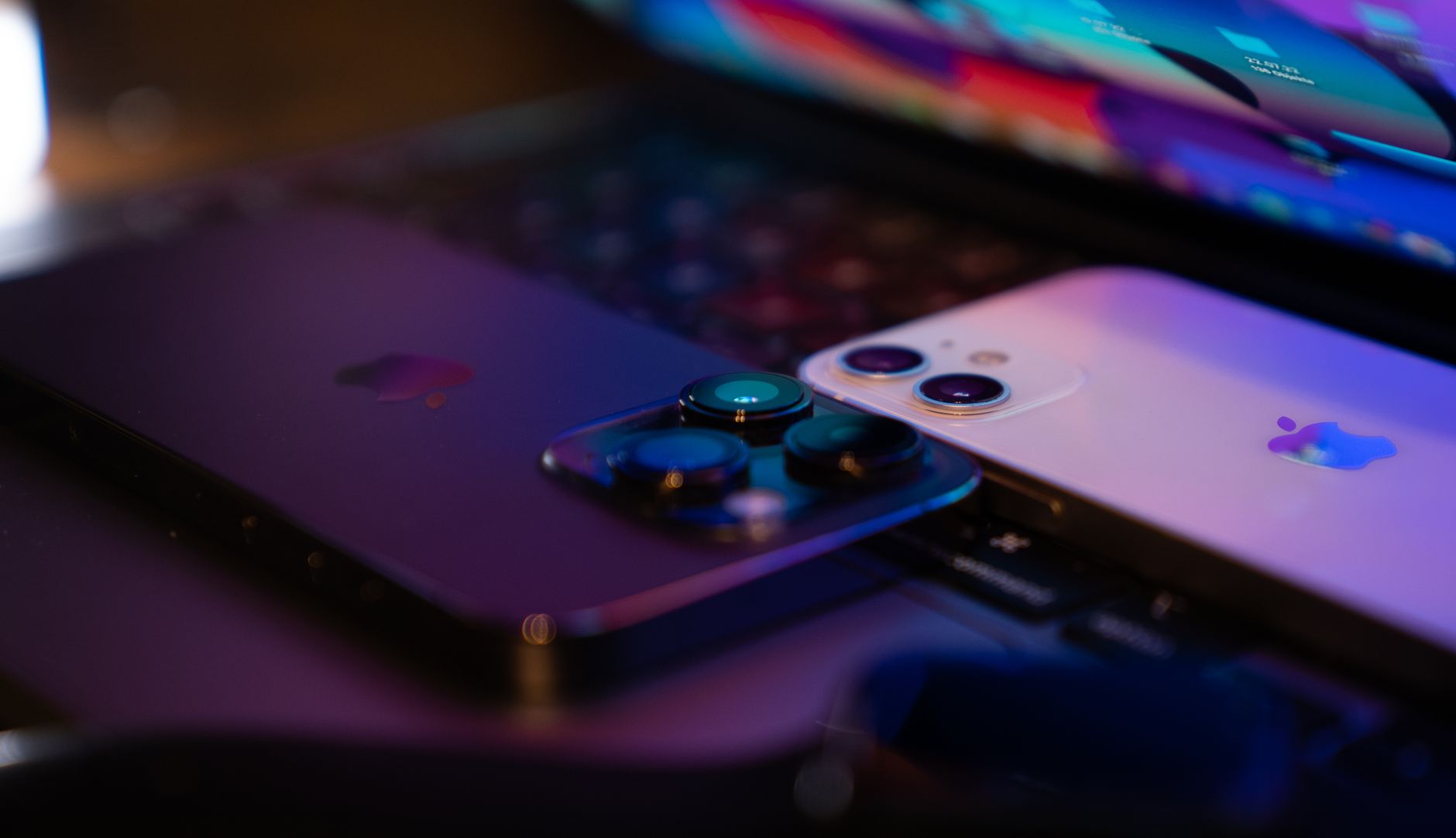
Photo by Rickie-Tom Schünemann on Pexels