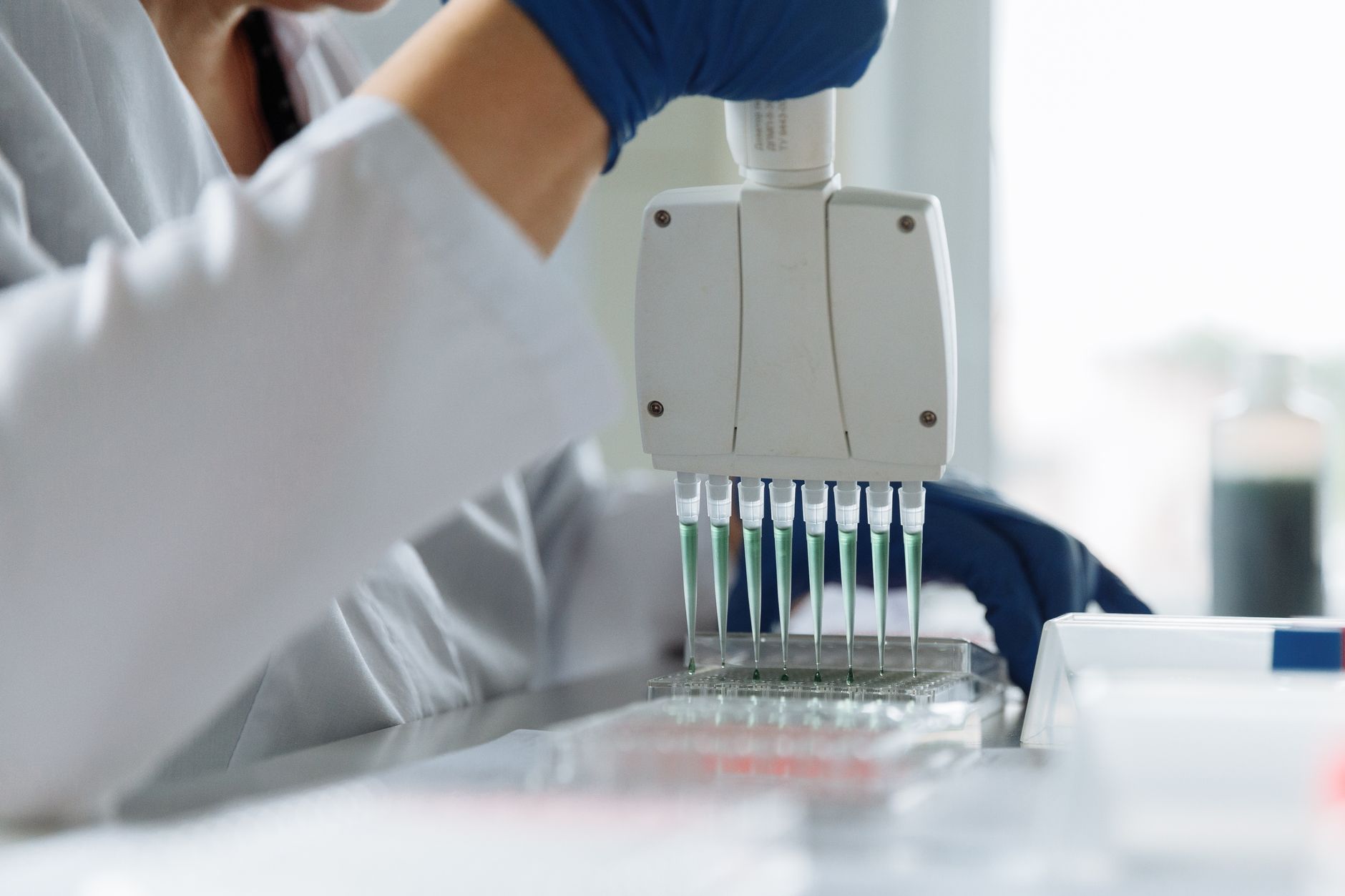
The CRISPR-like enzyme system has been discovered by AI model Claude, marking a significant advancement in genetic engineering. This breakthrough could revolutionize the way we approach gene editing and biotechnology.
What is the CRISPR-like enzyme system?
The CRISPR-like enzyme system represents a groundbreaking advancement in genetic engineering. This innovative technology, initially discovered by the AI model Claude, has the potential to revolutionize the way scientists manipulate DNA. Unlike traditional CRISPR systems, which have been widely adopted for gene editing, the CRISPR-like enzyme system offers new functionalities and improved precision in targeting specific genetic sequences.
Key features of the CRISPR-like enzyme system include:
- Enhanced specificity: This system reduces off-target effects, ensuring that only the intended genes are modified.
- Broad applicability: It can be utilized across various organisms, from bacteria to plants and animals.
- Efficient delivery: The CRISPR-like enzyme system can be delivered into cells more effectively, increasing the success rates of gene editing.
As research continues, the CRISPR-like enzyme system is poised to become a vital tool in fields such as medicine, agriculture, and biotechnology, offering new possibilities for addressing complex genetic disorders and enhancing crop resilience.
How does Claude’s discovery impact biotechnology?
The recent discovery of a CRISPR-like enzyme system by the AI model Claude has significant implications for the field of biotechnology. This breakthrough opens new avenues for genetic engineering, allowing scientists to edit genes with greater precision and efficiency than ever before.
One of the most notable impacts of this discovery includes:
- Enhanced Gene Editing: The CRISPR-like enzyme system can target specific DNA sequences more accurately, reducing off-target effects.
- Potential for Therapeutics: This technology could lead to innovative treatments for genetic disorders, providing hope for patients with previously untreatable conditions.
- New Research Opportunities: Researchers can explore unexplored genetic pathways, leading to advancements in agriculture and environmental conservation.
Moreover, the accessibility of this technology could democratize gene editing, enabling smaller laboratories and startups to contribute to groundbreaking research. As the biotechnology sector evolves, the CRISPR-like enzyme system may prove to be a pivotal innovation that reshapes our understanding of genetics and its applications.
The role of AI in genetic advancements
The emergence of AI technologies has significantly transformed the landscape of genetic advancements. One of the most notable innovations is the CRISPR-like enzyme system, which has been propelled into the spotlight thanks to the groundbreaking work of AI models like Claude. This system offers a more precise approach to genetic editing, allowing for targeted modifications that were previously difficult to achieve.
AI’s role in this realm is multifaceted:
- Data Analysis: AI algorithms can process vast amounts of genetic data, identifying patterns and potential targets for editing.
- Predictive Modeling: AI can predict the outcomes of genetic modifications, helping researchers understand potential impacts before experiments begin.
- Efficiency Improvements: Through automation and optimization, AI enhances the efficiency of the research process, accelerating the pace of discovery.
As researchers continue to explore the capabilities of the CRISPR-like enzyme system, the integration of AI is likely to drive further innovations, reshaping the future of biotechnology and medicine.
Comparing CRISPR and the new enzyme system
The emergence of the CRISPR-like enzyme system has prompted researchers to compare its capabilities with traditional CRISPR technology. Both systems are revolutionary in the field of genetic engineering, yet they exhibit distinct advantages and limitations.
Key differences include:
- Target Precision: The CRISPR-like enzyme system boasts enhanced specificity, potentially reducing off-target effects that have been a concern with traditional CRISPR.
- Versatility: Unlike CRISPR, which relies on RNA guides, the new enzyme system can utilize a broader range of molecules, expanding its application in gene editing.
- Delivery Mechanisms: The CRISPR-like enzyme system may offer improved delivery options, making it easier to implement in various organisms.
- Efficiency: Early studies suggest that the CRISPR-like enzyme system could achieve faster editing times, which is critical in research and therapeutic applications.
As scientists continue to explore these innovations, the CRISPR-like enzyme system may redefine the landscape of genetic modification, challenging the long-standing dominance of CRISPR.
Potential applications of the enzyme system
The CRISPR-like enzyme system offers a range of potential applications that could revolutionize various fields. Researchers are particularly excited about its implications in the following areas:
- Gene Editing: Like CRISPR, this enzyme system allows for precise modifications to DNA, potentially correcting genetic disorders and enhancing agricultural traits.
- Biotechnology: The ability to edit genes efficiently opens new avenues in drug development, enabling the creation of targeted therapies for diseases.
- Environmental Science: The enzyme system could be employed to engineer microbes for bioremediation, helping to clean up pollutants and restore ecosystems.
- Food Production: By improving crop resilience to pests and climate change, this technology may contribute to food security in a rapidly changing world.
- Synthetic Biology: The CRISPR-like enzyme system can facilitate the design of novel biological systems, leading to advances in biofuels and biomaterials.
As research continues, the full scope of applications for this groundbreaking enzyme system is likely to expand, potentially reshaping entire industries.
Expert opinions on this discovery
Experts in the field of genetics have expressed a mix of excitement and caution regarding the CRISPR-like enzyme system discovered by the AI model Claude. Dr. Lisa Hartman, a renowned geneticist, noted that this discovery could revolutionize gene editing techniques. She stated, “The precision of this enzyme system could lead to breakthroughs in treating genetic disorders that were previously deemed untreatable.”
Conversely, Dr. Samuel Reyes, a bioethicist, highlighted the ethical implications of such powerful technology. “While the potential benefits are immense, we must tread carefully to avoid unintended consequences in the ecosystem and human health,” he warned.
Additionally, researchers are considering the long-term impacts of this innovation. Dr. Emily Tran emphasized that “further studies are essential to understand the full capabilities and limitations of the CRISPR-like enzyme system.”
As discussions continue, it is clear that while the scientific community is optimistic, a balanced approach to the application of this technology is crucial for its success.
Future of AI in genetic research
The intersection of artificial intelligence and genetic research holds immense promise for the future, particularly with innovations such as the CRISPR-like enzyme system. This cutting-edge technology is expected to accelerate the pace of discovery and application in various fields of biology.
As AI continues to evolve, its ability to analyze vast amounts of genetic data will likely enhance our understanding of complex biological systems. Researchers can leverage AI models to:
- Identify potential targets for gene editing more efficiently.
- Predict outcomes of genetic modifications, minimizing trial-and-error approaches.
- Simulate interactions between genes and proteins, paving the way for breakthroughs in therapies.
Moreover, AI can assist in optimizing the CRISPR-like enzyme system by suggesting modifications that improve its efficacy and safety. As these technologies converge, the potential for revolutionary advancements in genetic research expands, promising transformative solutions for healthcare and beyond.
Challenges and considerations in gene editing
The emergence of the CRISPR-like enzyme system has stirred excitement within the scientific community, yet it also brings forth a range of challenges and considerations that must be addressed.
One significant concern is the potential for off-target effects, which could lead to unintended genetic modifications. While the new enzyme system may offer precision, ensuring the accuracy of edits remains paramount.
Additionally, ethical implications surrounding gene editing warrant careful consideration. Questions regarding the modification of human embryos and the long-term effects on ecosystems need to be thoroughly examined.
- Regulatory frameworks: There is a pressing need for updated regulations to govern the use of this technology.
- Public perception: Gaining public trust is essential, as misconceptions about gene editing can hinder progress.
- Access and equity: Ensuring equitable access to the CRISPR-like enzyme system for various populations is crucial for its widespread acceptance.
Addressing these challenges will be vital for harnessing the full potential of the CRISPR-like enzyme system in biotechnology.
Photo by Thirdman on Pexels
Where this came from
Is the Sonic the Hedgehog franchise the Worst Movie Success? · Claude Opus 5.5: Best AI Model with Proven Performance Boost · Claude Opus 5.5: Is It the Best AI Model Yet?