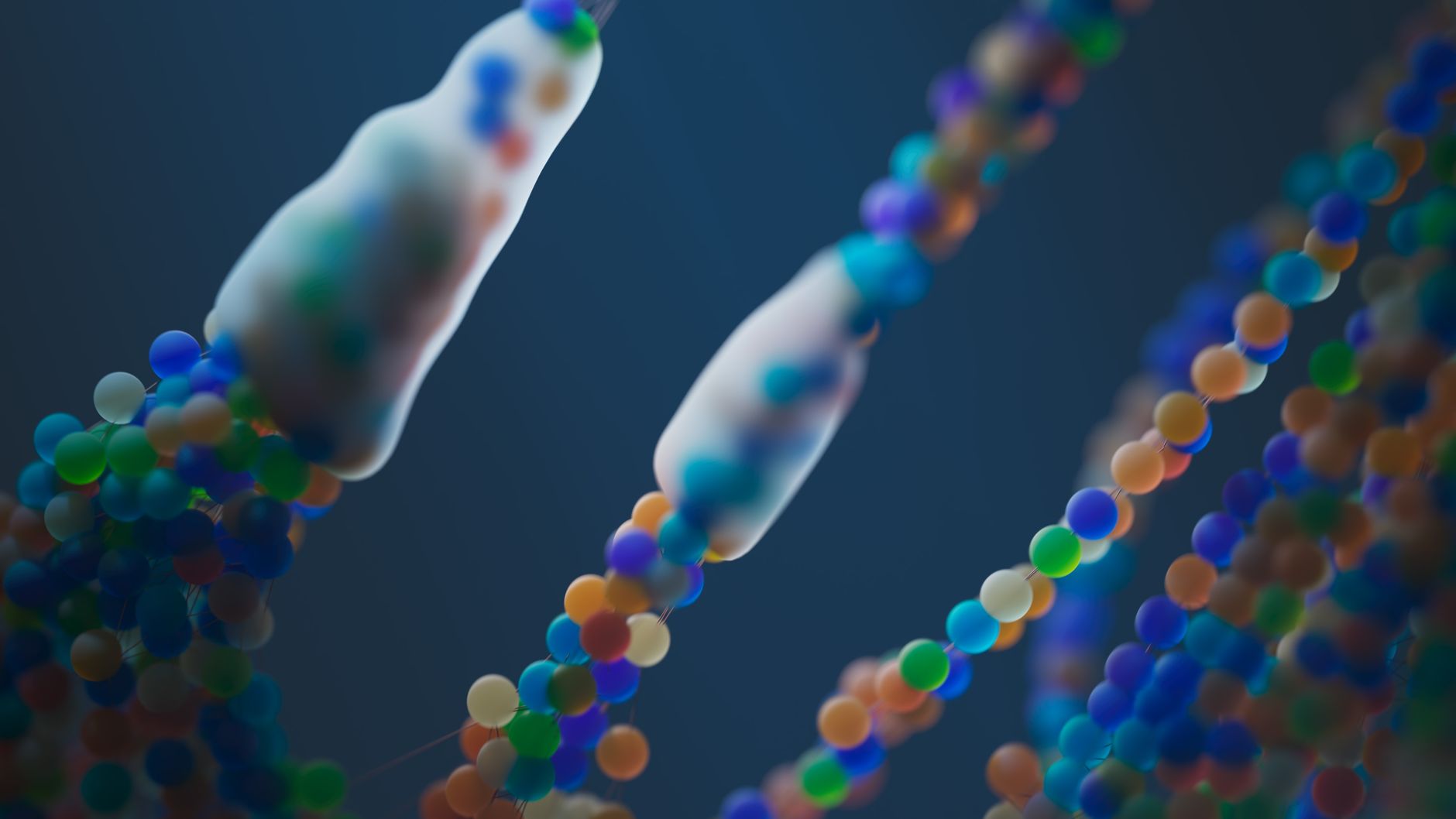
DNA strands lock together in a fascinating way, showcasing a mechanism that resembles a zipper. Recent images shed light on this intricate process, enhancing our understanding of genetic structures.
Understanding DNA Structure
The intricate structure of DNA is fundamental to its function in living organisms. DNA strands, composed of nucleotides, form a double helix that is stabilized by various interactions. Understanding how these strands lock together is crucial for grasping the mechanisms of genetic information transfer.
Each DNA strand consists of a backbone made of sugar and phosphate groups, with nitrogenous bases attached. These bases pair specifically: adenine with thymine, and cytosine with guanine. This base pairing is a key factor in how DNA strands lock together, ensuring accurate replication and transcription processes.
Recent studies have provided clarity on this locking mechanism, revealing that the hydrogen bonds between the bases play a pivotal role. Furthermore, the overall helical structure allows for a compact yet stable form, essential for cellular function.
In summary, the way DNA strands lock together not only exemplifies the beauty of molecular biology but also highlights the complexities involved in genetic processes.
How DNA Forms Double Helices
The intricate process of how DNA strands lock together is crucial for understanding genetic information. DNA is primarily composed of two long strands that twist around each other, forming a structure known as a double helix. This formation is stabilized by various interactions, particularly hydrogen bonds between nucleotide bases.
Each DNA strand consists of a sequence of nucleotides, which include:
- Adenine (A)
- Thymine (T)
- Cytosine (C)
- Guanine (G)
During the pairing process, adenine always binds with thymine, while cytosine pairs with guanine. This complementary base pairing is essential for the stability of the DNA double helix. Additionally, the twisting of the strands allows for efficient packaging within cells.
Recent studies have provided visual evidence of how these DNA strands lock together, resembling a zip, which enhances our grasp of genetic interactions and their implications.
The Role of Base Pairing
The intricate process of how DNA strands lock together is primarily governed by base pairing, a fundamental mechanism that ensures genetic fidelity. In this context, base pairing involves the specific attraction between nucleotide bases, which are the building blocks of DNA.
There are four types of nucleotides in DNA: adenine (A), thymine (T), cytosine (C), and guanine (G). The base pairing rules dictate that adenine pairs with thymine, while cytosine pairs with guanine. This selective pairing is not merely coincidental; it is crucial for the double helical structure of DNA.
When two DNA strands come together, the complementary bases align and form hydrogen bonds. This interaction stabilizes the overall structure, allowing the DNA strands to lock together securely. The strength and specificity of these interactions are essential for processes such as replication and transcription, where accurate information transfer is vital.
Understanding this mechanism provides insight into how DNA strands lock together and maintains the integrity of genetic information across generations.
Implications for Genetic Research
The recent discovery regarding how DNA strands lock together offers profound implications for genetic research. Understanding the precise mechanisms that facilitate this interaction can pave the way for advancements in various fields, including medicine and biotechnology.
Researchers have highlighted several critical areas where this knowledge could lead to significant breakthroughs:
- Gene Therapy: Enhanced comprehension of DNA strand interactions may improve the efficacy of gene editing techniques like CRISPR, allowing for more precise modifications.
- Genetic Disorders: Insights into the locking mechanism can aid in identifying mutations and developing targeted treatments for genetic disorders.
- Biotechnology Innovations: The information could lead to the design of new biomaterials and nanotechnology applications that utilize DNA’s natural properties.
As scientists continue to explore the intricacies of DNA, the potential for transformative applications in genetic research grows, highlighting the importance of these revelations in understanding life at a molecular level.
Visualizing Molecular Interactions
Recent advancements in molecular imaging have allowed scientists to visualize how DNA strands lock together, providing crucial insights into the mechanics of genetic interactions. Utilizing high-resolution techniques, researchers captured stunning images that detail the precise alignment of the double helices, demonstrating the intricate process of molecular pairing.
In these images, the DNA strands appear to intertwine seamlessly, forming stable structures that are vital for genetic stability and replication. The visualization reveals how complementary base pairs align, showcasing the natural affinity of the strands for one another. This phenomenon not only reinforces the significance of base pairing but also highlights the dynamic nature of genetic material.
Understanding how DNA strands lock together has far-reaching implications for genetic research, potentially transforming approaches to gene editing and therapy. As scientists continue to explore these molecular interactions, the fundamental principles governing DNA behavior may unlock new avenues for medical advancements and enhance our comprehension of hereditary diseases.
Future of DNA Studies
The future of DNA studies is poised for significant advancements as researchers continue to uncover the intricate mechanisms behind genetic interactions. One of the most exciting developments is the understanding of how DNA strands lock together, akin to a zip, which could revolutionize various fields including medicine and biotechnology.
These insights not only enhance our comprehension of fundamental biological processes but also pave the way for innovative applications such as gene editing and personalized medicine. As scientists leverage advanced imaging techniques, we can expect to gain more detailed views of these molecular interactions.
Future research will likely focus on:
- Exploring the role of environmental factors in DNA strand pairing.
- Investigating the implications for synthetic biology and the development of new genetic tools.
- Enhancing our understanding of genetic disorders linked to DNA strand mispairing.
These avenues not only promise to deepen our understanding of life at a molecular level but also hold the potential for groundbreaking therapeutic strategies.
Photo by Google DeepMind on Pexels