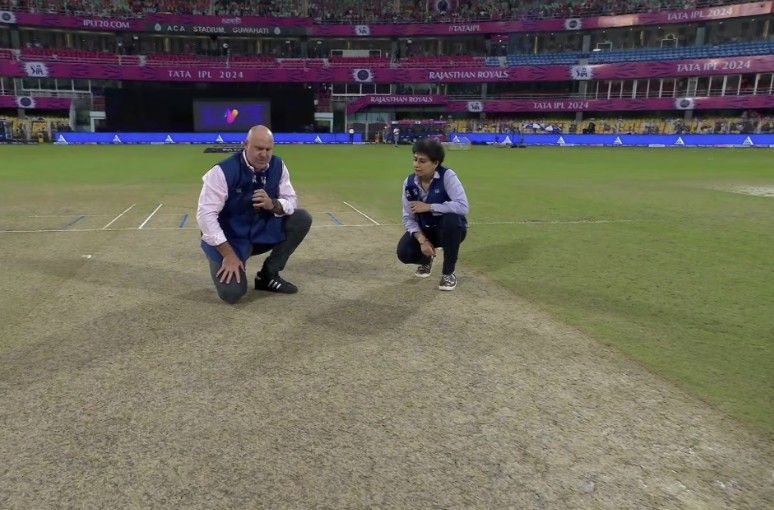
An IPL match can completely change within two overs. A strong batting lineup may collapse under pressure, a low total can suddenly become defendable, and one tactical bowling change can shift momentum instantly. That is exactly why modern cricket analysis now depends heavily on data-driven evaluation instead of simple fan assumptions. Serious match followers closely track the IPL pitch report today because pitch behavior often influences batting rhythm, bowling effectiveness, scoring patterns, and even captaincy decisions before the match begins.
IPL prediction analysis has evolved significantly over the years. Today, match forecasting involves advanced statistical breakdowns, venue history, player matchups, bowling phases, strike rotation efficiency, and pressure handling metrics. Teams themselves now rely heavily on analytical departments to prepare strategies based on measurable performance patterns rather than instinct alone.
Powerplay Performance Shapes Match Direction
The first six overs often decide the pace and structure of a T20 innings. Teams that dominate the powerplay usually gain greater tactical freedom during the middle overs.
Analysts closely evaluate:
- Average runs scored in powerplay overs
- Wickets lost early in the innings
- Boundary percentage during the first six overs
- Fast bowling economy rates
- Opening partnership consistency
A team consistently scoring above the league average in power plays usually maintains stronger win percentages, especially while chasing targets.
Bowling efficiency during this phase is equally important because early wickets can completely slow scoring momentum.
Venue Records Reveal Scoring Patterns
Every IPL stadium behaves differently. Some venues heavily favor batting, while others gradually assist spin bowling or slower deliveries.
Venue analysis generally includes:
- Average first innings totals
- Chasing success percentage
- Spin versus pace wicket ratios
- Boundary dimensions
- Dew influence during night games
For example, smaller grounds with flat surfaces often produce high-scoring matches, while dry pitches may reduce stroke-making efficiency during middle overs.
Historical venue data helps analysts identify whether teams are better suited for aggressive batting or controlled bowling strategies at specific locations.
Middle Over Strike Rotation Matters More Than Boundaries
Many fans focus mainly on six-hitting ability, but middle over strike rotation has become one of the most valuable modern T20 metrics.
Teams performing well between overs 7 and 15 usually maintain stronger scoreboard pressure because they avoid dot ball accumulation. Analysts now study:
- Singles and doubles conversion rates
- Dot ball percentages
- Spin scoring efficiency
- Wicket preservation during the middle overs
Batting sides that rotate strike effectively are often better prepared for explosive finishes during death overs.
This area has become especially important on slower IPL pitches, where boundary hitting becomes more difficult after the powerplay phase.
Bowling Matchups Influence Key Moments
Modern IPL analysis studies player versus player matchups very closely. Certain bowlers consistently trouble specific batters due to variations in pace, release angles, or bowling lengths.
Important matchup statistics include:
- Batter strike rate against specific bowlers
- Dismissal frequency
- Boundary percentage against spin or pace
- Performance against left-arm bowling
- Scoring patterns during slower deliveries
These details help analysts predict possible turning points within the match.
For example, a batter struggling historically against wrist spin may become vulnerable during the middle overs if conditions support turn.
Death Over Efficiency Often Decides Results
The final overs usually create the biggest scoring swings in IPL matches. Teams with strong death bowling specialists often defend totals more successfully, even on batting-friendly surfaces.
Important death statistics include:
- Yorker execution percentage
- Boundary prevention rates
- Economy during overs 16 to 20
- Wickets taken in the final overs
- Slower ball effectiveness
Similarly, finishers with high strike rates under pressure significantly improve chasing capability during tight matches.
Teams that consistently control death overs generally perform better across long tournament seasons.
Toss Impact Changes Match Strategy
The toss remains an important factor in many IPL venues because weather and pitch conditions may shift during evening games.
Analysts study:
- Dew formation probability
- Chasing success rates
- Second innings bowling difficulty
- Night humidity levels
- Pitch slowing patterns
At some grounds, heavy dew reduces spin effectiveness later in the match, making chasing easier. In other venues, dry surfaces become slower during the second innings, helping defending teams.
This is why many experts study pitch conditions carefully before finalizing predictions and fantasy team combinations.
Recent Player Form Carries Greater Weight Than Reputation
Big names do not always guarantee strong performances. Recent match rhythm often matters more than long-term reputation in fast-paced T20 tournaments.
Analysts now prioritize:
- Last five match performances
- Batting intent levels
- Bowling consistency
- Fitness and workload management
- Pressure handling during close finishes
Players showing strong recent momentum usually adapt better to high-intensity IPL situations compared to out-of-form stars relying only on reputation.
Team Combination Balance Improves Stability
Balanced teams generally perform more consistently across long tournaments. Analysts carefully evaluate squad composition before making predictions.
Key balance indicators include:
- Number of all-rounders
- Left and right-hand batting combinations
- Spin depth
- Bench strength
- Indian domestic player contribution
Teams overly dependent on two or three players often struggle when conditions change or injuries occur.
A flexible squad structure allows captains to adapt more effectively against different opponents and pitch conditions.
Weather Conditions Influence Match Outcomes
Weather plays a surprisingly important role in IPL analysis. Humidity, wind direction, temperature, and cloud cover can all affect gameplay.
For example:
- Humid conditions may help swing bowling early
- Dry weather may support spin later in innings
- Strong wind can alter six hitting zones
- Rain interruptions may change batting approaches
Modern statistical models increasingly combine weather data with venue trends to improve prediction accuracy.
Conclusion
IPL prediction analysis today goes far beyond simple team popularity or star player selection. Match outcomes are increasingly influenced by venue behavior, bowling phases, strike rotation, player matchups, weather conditions, and tactical flexibility. Fans looking to improve their cricket analysis often study performance data carefully to learn how to predict IPL matches using statistics more accurately through structured evaluation rather than emotional assumptions.
If you are looking for deeper cricket insights and structured match analysis, CBTF provides expert breakdowns and analytical match evaluations that help fans understand the game more effectively. Through IPL winning team analysis, CBTF focuses on data-driven perspectives, match trends, player performance evaluation, and tactical cricket insights designed to improve overall cricket awareness and analytical understanding.