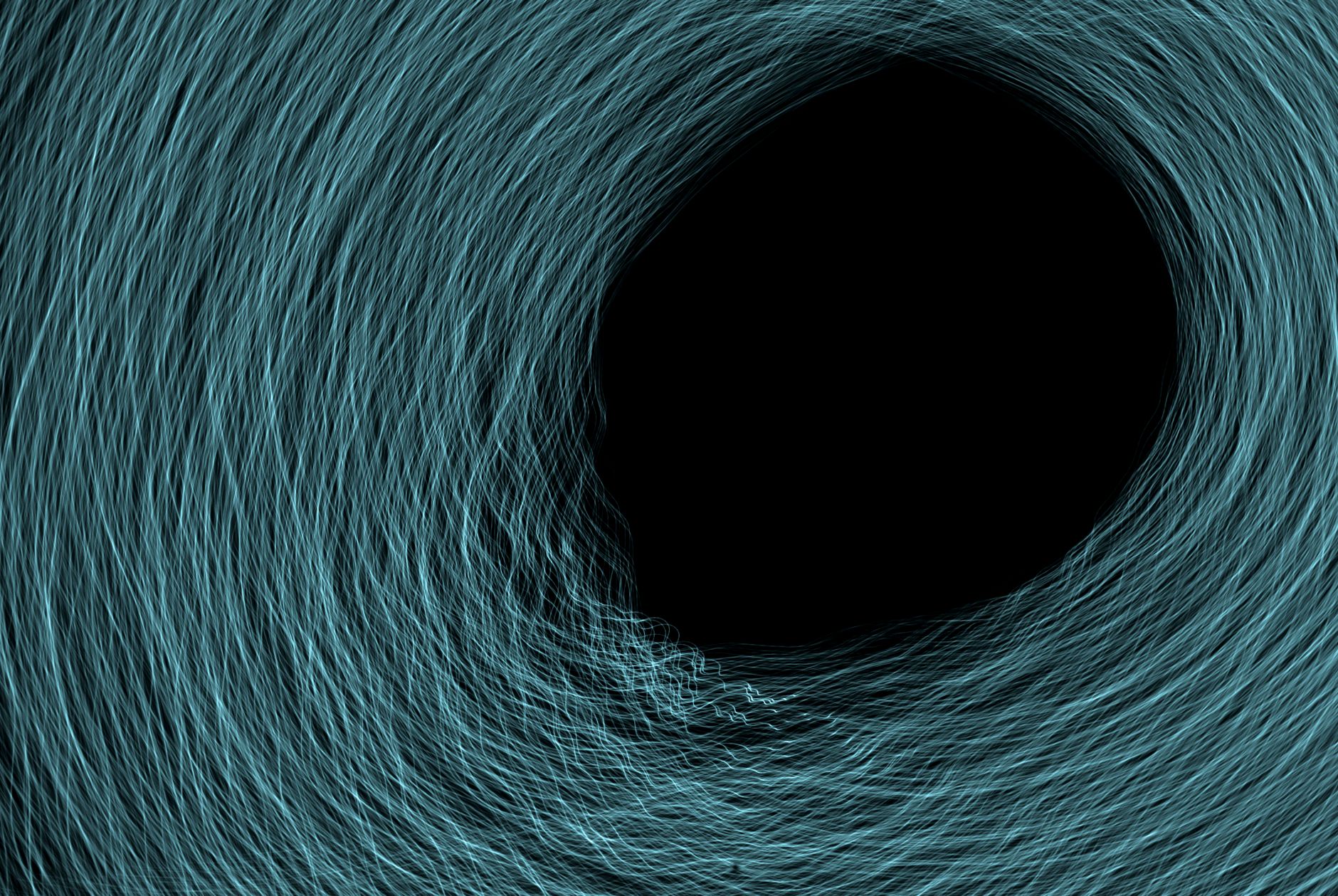
Massive black hole discoveries are reshaping our understanding of the universe. A newly revealed black hole is wandering far from its galaxy’s center, raising questions about cosmic dynamics.
What is a massive black hole?
A massive black hole is an astronomical object with a gravitational pull so strong that nothing, not even light, can escape from it. These enigmatic entities, often found at the centers of galaxies, can have masses ranging from hundreds of thousands to billions of times that of our Sun. The formation of massive black holes is still a topic of active research, but they are believed to evolve from the remnants of massive stars that collapse under their own gravity after exhausting their nuclear fuel.
One of the most intriguing aspects of massive black holes is their potential role in galaxy formation and evolution. While they are often associated with galactic centers, recent observations have identified massive black holes wandering far from their home galaxies. This phenomenon raises questions about the dynamics of star systems and the gravitational interactions that can lead to such displacements.
Researchers continue to study the impact of massive black holes on their host galaxies and whether their presence is beneficial or detrimental. Some theories suggest that they may play a crucial role in regulating star formation, while others warn that they could disrupt the stability of their surroundings.
How do black holes form?
Black holes, particularly massive black holes, are formed through several mechanisms that involve the collapse of massive stars or the merging of smaller black holes. The primary processes include:
- Stellar Collapse: When a massive star exhausts its nuclear fuel, it can no longer support itself against gravitational forces. The core collapses, and if the remaining mass is sufficient, it forms a black hole.
- Accretion: Sometimes, a black hole can form from the accumulation of gas and dust in a dense region of space. As matter falls into the black hole, it can lead to the formation of a massive black hole.
- Black Hole Mergers: Two or more smaller black holes can merge due to gravitational waves, creating a larger black hole in the process. This is often observed in galaxy collisions.
- Direct Collapse: In some cases, massive clouds of gas can collapse directly into a black hole without forming stars, particularly in the early universe.
The process of black hole formation plays a crucial role in shaping galaxies and their evolution, raising questions about whether massive black holes are beneficial or detrimental to galactic structures.
The significance of wandering black holes
The discovery of a massive black hole that roams far from its galaxy’s center raises intriguing questions about the significance of wandering black holes. These enigmatic entities may play a crucial role in the evolution of galaxies and their stellar populations.
Wandering black holes, often formed through the merger of smaller black holes or the ejection from their host galaxies, can have profound effects on their surroundings. As they traverse the cosmos, they can:
- Influence star formation: The gravitational pull of a wandering massive black hole can disturb nearby gas and dust, potentially triggering new star formation or stifling existing processes.
- Shred stars: As evidenced by recent observations, a wandering black hole can capture and shred passing stars, leading to spectacular cosmic events that provide valuable information about these mysterious objects.
- Alter galactic dynamics: Their presence can disrupt the balance of a galaxy’s structure, affecting the motion of stars and gas within it.
Understanding wandering black holes and their interactions with galaxies helps astronomers unlock the mysteries of cosmic evolution, revealing the intricate dance between these massive black holes and their galactic homes.
Recent discoveries in astronomy
Recent discoveries in astronomy have shed light on the presence and impact of massive black holes in the universe. One of the most intriguing findings involves a star that was shredded by a black hole located far from its galaxy’s center. This phenomenon not only highlights the dynamics of cosmic interactions but also raises questions about the nature of these colossal entities.
Researchers observed the aftermath of this event, which provided vital clues about the behavior of wandering black holes. These massive black holes, often lurking in the shadows of galaxies, can have profound effects on their surroundings. The study of shredded stars helps astronomers understand how such black holes influence stellar formation and the evolution of galaxies.
Furthermore, the discovery emphasizes the versatility and mobility of black holes, challenging previous assumptions about their fixed locations. As scientists continue to explore the cosmos, they must consider the implications of these findings on our understanding of galaxy formation and structure.
In summary, the revelations about wandering massive black holes not only enhance our knowledge of black hole behavior but also suggest that these objects could play a pivotal role in shaping the universe.
Impact on galaxy formation
The presence of a massive black hole in a galaxy can significantly influence its formation and evolution. Astronomers have long debated whether these colossal entities are beneficial or detrimental to galactic development. Here are some key impacts of massive black holes on galaxy formation:
- Gravitational influence: A massive black hole exerts a strong gravitational pull, which can shape the orbits of surrounding stars and gas. This interaction can lead to the stabilization of star formation within the galaxy.
- Feedback mechanisms: When a massive black hole consumes material, it emits vast amounts of energy in the form of radiation. This feedback can heat surrounding gas, preventing it from collapsing into new stars and regulating star formation rates.
- Galactic mergers: During collisions between galaxies, the dynamics can cause black holes to merge or produce jets that impact the surrounding environment, influencing the star formation in the newly formed galaxy.
- Star clustering: The presence of a massive black hole can lead to the creation of dense clusters of stars, altering the overall structure and appearance of the galaxy.
Understanding these dynamics is crucial for unraveling the complex relationship between massive black holes and their host galaxies.
Understanding galaxy centers
At the heart of most galaxies lies a massive black hole, often surrounded by a swirling disk of gas and dust. These enigmatic entities play a crucial role in the evolution of galaxies, influencing their structure and dynamics. Understanding the composition and behavior of galaxy centers is essential to grasp the overall impact of massive black holes on their host galaxies.
Recent observations have shown that the presence of a massive black hole can lead to a variety of phenomena, including:
- Galaxy mergers: When two galaxies collide, their central black holes can interact, potentially merging into a larger black hole.
- Stellar formation: The energy emitted by matter falling into a massive black hole can trigger star formation in surrounding regions.
- Galactic winds: Powerful jets and winds from accreting black holes can expel gas and inhibit star formation, shaping the galaxy’s growth.
Furthermore, the gravitational influence of a massive black hole can stabilize or destabilize the orbits of stars within the galaxy, dictating the galaxy’s long-term fate. Understanding these complex relationships is key to unraveling the mysteries of cosmic evolution.
The role of black holes in the universe
Black holes, particularly the massive black hole, play a crucial role in the evolution and stability of galaxies. These enigmatic entities, with their immense gravitational pull, shape not only their immediate surroundings but also influence the larger cosmic structure.
One of the primary functions of black holes is to act as gravitational anchors within galaxies. They help to:
- Regulate star formation: The presence of a massive black hole can impact the gas and dust available for new stars, either promoting or stifling star formation in surrounding areas.
- Drive galactic dynamics: Their gravitational influence affects the orbits of stars and gas clouds, contributing to the overall movement and structure of the galaxy.
- Facilitate energy release: As matter falls into a black hole, it releases enormous amounts of energy, which can heat surrounding gas and contribute to the galaxy’s luminosity.
While the existence of a massive black hole at the center of a galaxy has been traditionally viewed as a potential threat, recent studies suggest that they can also foster a unique environment for galactic growth and evolution.
Future research on black holes
As astronomers continue to explore the cosmos, future research on black holes is poised to enhance our understanding of these enigmatic objects. The discovery of a massive black hole wandering away from its galaxy’s center has opened new avenues for investigation. Scientists are particularly interested in how such black holes can influence their surroundings and the overall dynamics of galaxy formation.
Future studies will likely focus on several key areas:
- Behavior of wandering black holes: As more instances of black holes straying from their galactic cores are identified, researchers aim to understand the causes and consequences of this behavior.
- Gravitational interactions: The impact of massive black holes on nearby stars and gas clouds will be a focal point, revealing how these interactions shape galactic structures.
- Cosmic evolution: Investigating the role of massive black holes in the evolution of galaxies over billions of years will provide insight into their significance in the universe.
- Advanced observational techniques: New technologies and methodologies will help astronomers detect and study black holes with greater precision.
Ultimately, ongoing research will illuminate the complex relationship between massive black holes and the galaxies they inhabit.
Photo by Uroš Drljača on Pexels